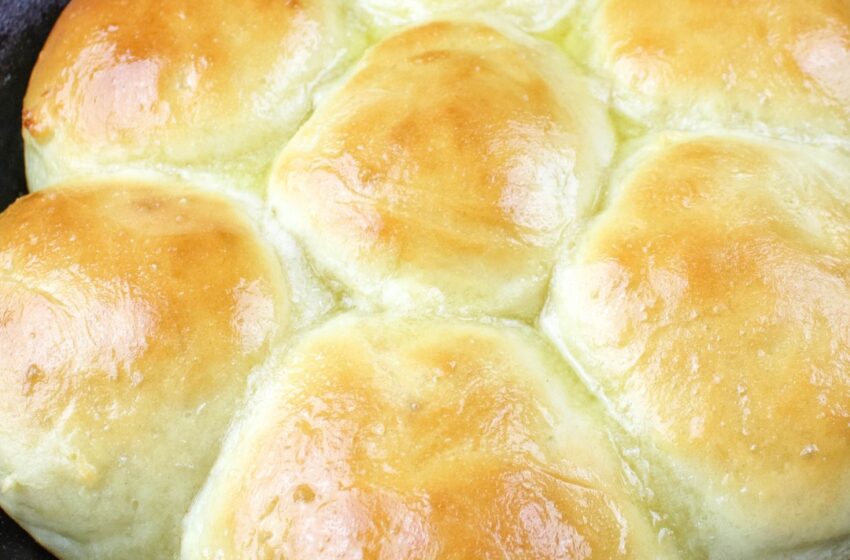
There’s something deeply comforting about the aroma of freshly baked bread drifting through the kitchen. Warm homemade dinner rolls have a way of bringing people together, whether they’re served at holiday feasts, Sunday dinners, family gatherings, or simple weeknight meals. These Soft Make-Ahead Refrigerator Dinner Rolls are the kind of classic homemade yeast rolls that never go out of style.
Light, buttery, fluffy, and golden on top, these rolls are designed for convenience without sacrificing flavor. The beauty of refrigerator roll dough is that it can be prepared ahead of time and chilled for hours—or even days—before baking. That means less stress, easier meal planning, and freshly baked bread whenever you want it.
Unlike many quick bread recipes, traditional yeast rolls develop richer flavor over time. The slow refrigerated rise allows the dough to deepen in taste while also improving texture. The result is soft pull-apart dinner rolls with tender interiors and lightly golden tops that taste just like old-fashioned homemade bread from grandma’s kitchen.
These classic refrigerator rolls are perfect for:
- Holiday dinners
- Thanksgiving meals
- Sunday roast dinners
- Homemade sandwich buns
- Soup and stew pairings
- Breakfast bread baskets
- Potluck gatherings
Whether you’re an experienced baker or trying homemade yeast bread for the first time, this recipe delivers bakery-style dinner rolls with simple ingredients and easy techniques.
Why Refrigerator Rolls Are a Timeless Favorite
Homemade bread recipes have been passed down for generations because they represent comfort, tradition, and care. Refrigerator rolls became especially popular because they solved one common baking challenge: timing.
Traditional yeast dough often requires several hours of rising and careful scheduling. Refrigerated dough changes that completely.
By allowing the dough to chill slowly, you can:
- Prepare the dough ahead of time
- Bake fresh rolls when needed
- Improve flavor naturally
- Reduce kitchen stress during holidays
- Create softer texture through slow fermentation
This method is especially useful during busy gatherings when oven space and timing matter most.
The Secret to Ultra-Soft Dinner Rolls
The texture of homemade rolls depends on several important factors:
- Proper yeast activation
- Correct dough hydration
- Adequate kneading
- Slow rising time
- Careful baking
This recipe combines all those elements to create rolls that are:
- Pillowy soft
- Light and airy
- Rich but not heavy
- Buttery and tender
- Perfectly golden
The dough remains slightly sticky before chilling, which helps produce soft interiors after baking.
Understanding the Ingredients
Active Dry Yeast
Yeast is the heart of any homemade bread recipe. It creates the airy texture and helps the dough rise beautifully.
Activating yeast properly is extremely important. Warm water combined with a small amount of sugar wakes up the yeast and allows it to become foamy and active.
If the mixture doesn’t foam within 10 minutes, the yeast may no longer be fresh.
Warm Milk
Warm milk enriches the dough and contributes to softness.
Milk proteins and fats help create:
- Tender texture
- Rich flavor
- Softer crust
- Better browning
Whole milk works especially well because of its fat content, but reduced-fat milk can also be used.
Sugar
Sugar feeds the yeast and lightly sweetens the rolls.
It also helps:
- Improve browning
- Enhance softness
- Support fermentation
- Add moisture retention
The result is a balanced dinner roll that works equally well with savory meals or sweet toppings like jam and honey butter.
Butter
Butter adds flavor, richness, and softness to the dough.
Melted butter blends easily into the mixture and creates:
- Tender crumb
- Rich homemade flavor
- Moist texture
- Golden crust
Brushing extra melted butter over warm rolls after baking creates the glossy bakery-style finish everyone loves.
Eggs
Eggs enrich the dough and help create structure while keeping the rolls soft and fluffy.
They also contribute to:
- Better rise
- Richer color
- Moist texture
- Delicate crumb
Room-temperature eggs blend more evenly into the dough.
Flour
All-purpose flour works beautifully for soft dinner rolls.
Flour provides structure while still allowing tenderness.
The key is adding enough flour to create manageable dough without making it dry.
Too much flour can produce dense rolls, while slightly sticky dough often leads to softer bread.
Salt
Salt balances flavor and strengthens gluten structure.
Without salt, bread tastes flat and lacks depth.
Even small amounts make a major difference in homemade bread quality.
Why Chilling Dough Improves Flavor
One of the best features of refrigerator roll dough is the cold fermentation process.
During refrigeration:
- Yeast works slowly
- Flavor deepens naturally
- Gluten relaxes
- Texture improves
This extended rise creates bread with more complexity and better texture than quick-rise dough methods.
Professional bakeries often use slow fermentation for exactly this reason.
The Importance of Kneading
Kneading develops gluten, which gives bread its structure and elasticity.
A properly kneaded dough should feel:
- Smooth
- Elastic
- Slightly tacky
- Soft but workable
Under-kneaded dough may not rise properly, while over-floured dough can become heavy.
Kneading by hand for about 5–7 minutes is usually perfect for dinner rolls.
Shaping the Perfect Rolls
Uniform shaping helps rolls bake evenly.
To shape dinner rolls:
- Divide dough evenly
- Roll gently into smooth balls
- Tuck edges underneath
- Arrange in greased pan
Keeping rolls close together creates soft pull-apart sides, while spacing them farther apart produces crustier edges.
Why These Rolls Are Perfect for Holidays
Holiday meals often involve complicated timing, crowded kitchens, and multiple dishes.
Refrigerator rolls simplify the process because the dough can be made days ahead.
This allows more flexibility during:
- Thanksgiving
- Christmas dinner
- Easter brunch
- Family reunions
- Potluck dinners
Fresh bread without last-minute stress is one reason these rolls remain a classic family favorite.
Best Ways to Serve Homemade Dinner Rolls
These fluffy dinner rolls pair beautifully with countless meals.
Savory Pairings
- Roast turkey
- Roast beef
- Gravy dishes
- Chicken soup
- Beef stew
- Creamy chowders
- Pasta dinners
Sweet Pairings
- Honey butter
- Strawberry jam
- Cinnamon butter
- Apple butter
- Maple spread
Breakfast Ideas
- Breakfast sandwiches
- Toasted with butter
- Served alongside eggs
- Mini breakfast sliders
Their versatility makes them useful far beyond holiday meals.
Tips for Soft Bakery-Style Rolls
Don’t Add Too Much Flour
Sticky dough often scares beginner bakers, but slightly tacky dough usually creates softer bread.
Lightly flour your hands instead of heavily flouring the dough.
Be Patient with Rising
Cold dough takes longer to rise after refrigeration.
Allow enough time for rolls to become visibly puffy before baking.
Under-risen rolls tend to bake dense.
Use Warm Ingredients
Warm milk helps activate yeast properly.
However, liquids that are too hot can kill the yeast.
Ideal temperature is warm but not hot to the touch.
Bake Until Golden
Properly baked rolls should have:
- Golden brown tops
- Light fluffy interiors
- Hollow sound when tapped lightly
Avoid overbaking to maintain softness.
Brush with Butter Immediately
Brushing warm rolls with melted butter:
- Enhances flavor
- Softens crust
- Adds shine
- Creates classic bakery texture
This final touch makes a huge difference.
Make-Ahead Benefits
One major advantage of refrigerator dough is flexibility.
You can:
- Make dough 1–3 days early
- Shape rolls ahead
- Bake fresh before serving
- Save preparation time
This convenience is especially valuable for entertaining or meal prep.
Storage Instructions
Room Temperature
Store cooled rolls in an airtight container for up to 2 days.
Refrigerator
For longer freshness, refrigerate up to 5 days.
Warm slightly before serving.
Freezer
These rolls freeze very well.
To freeze:
- Cool completely
- Wrap tightly
- Store in freezer-safe bags
- Freeze up to 2 months
Reheat in the oven for fresh-baked flavor.
Common Bread-Making Mistakes
Yeast Didn’t Foam
Possible causes:
- Water too hot
- Expired yeast
- Water too cold
Always test yeast before mixing dough.
Dense Rolls
Usually caused by:
- Too much flour
- Insufficient kneading
- Under-rising
Dry Texture
This can happen if:
- Rolls are overbaked
- Dough contains excess flour
- Oven temperature runs too high
Frequently Asked Questions
Can I Make the Dough Overnight?
Yes. Overnight refrigeration actually improves flavor.
Can I Freeze the Dough?
Yes. Freeze after the first rise, then thaw overnight before shaping.
Can I Use Bread Flour?
Yes. Bread flour creates slightly chewier rolls with stronger structure.
Why Are My Rolls Sticky?
Soft dough is normal and helps create fluffy texture.
Light flouring during shaping is enough.
The Comfort of Homemade Bread
Few things feel as comforting as homemade bread fresh from the oven. These Soft Make-Ahead Refrigerator Dinner Rolls capture everything people love about traditional baking:
- Warm buttery flavor
- Tender fluffy texture
- Golden tops
- Homemade aroma
- Timeless simplicity
They’re the kind of rolls that disappear quickly at the dinner table and become family traditions passed from one generation to the next.
Whether served beside holiday turkey, hearty soup, or simple butter and jam, these rolls bring warmth and comfort to every meal.
The slow rise, rich flavor, and soft texture remind us that good bread doesn’t need to be complicated. It just needs patience, simple ingredients, and a little love.
One batch of these homemade refrigerator rolls, and you’ll understand why classic yeast bread recipes remain favorites year after year.
Part 2 – Easy Refrigerator Dinner Rolls Recipe
Ingredients
- 1 packet active dry yeast
- ¼ cup warm water
- Pinch of sugar
- 1 cup warm milk
- ¼ cup granulated sugar
- ¼ cup melted butter
- 2 large eggs
- 1 teaspoon salt
- 4–4½ cups all-purpose flour
- Extra melted butter for brushing
Simple Step-by-Step Instructions
Step 1: Activate the Yeast
In a small bowl, combine warm water, yeast, and a pinch of sugar.
Let sit for 5–10 minutes until bubbly and foamy.
Step 2: Prepare the Dough
In a large mixing bowl, whisk together warm milk, sugar, melted butter, eggs, and salt.
Stir in the activated yeast mixture.
Gradually add flour until a soft, slightly sticky dough forms.
Step 3: Knead and Refrigerate
Transfer dough to a lightly floured surface.
Knead for 5–7 minutes until smooth and elastic.
Place dough into a greased bowl and cover tightly.
Refrigerate for at least 4 hours or up to 3 days.
Step 4: Shape the Rolls
Remove chilled dough from the refrigerator.
Divide dough into equal portions and shape into smooth balls.
Arrange in a greased baking dish with slight spacing between each roll.
Step 5: Allow Dough to Rise
Cover loosely and let rolls rise at room temperature for 1–2 hours until doubled in size.
Step 6: Bake Until Golden
Preheat oven to 375°F (190°C).
Bake rolls for 15–18 minutes or until tops turn golden brown.
Step 7: Brush with Butter
Brush warm rolls generously with melted butter before serving.
Serving Suggestions
- Pair with roast turkey or beef
- Serve alongside soup or stew
- Spread with jam or honey butter
- Use for mini sandwiches
- Enjoy warm with breakfast
Helpful Baking Tips
- Refrigerated dough develops better flavor
- Avoid adding too much flour
- Let dough fully rise before baking
- Bake rolls close together for softer sides
- Brush with butter while warm