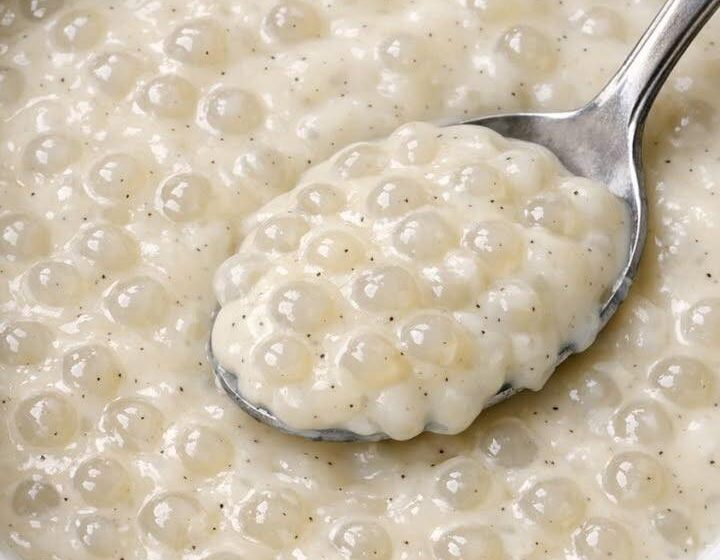
There’s something timeless and comforting about a warm bowl of homemade tapioca pudding. Smooth, creamy, lightly sweet, and filled with delicate translucent tapioca pearls, this classic dessert has been loved for generations. This Slow Cooker Tapioca Pudding recipe transforms simple pantry staples into a rich custard-style dessert with almost effortless preparation. Using the slow cooker allows the pudding to cook gently and evenly, creating a silky texture that feels nostalgic, cozy, and deeply satisfying.
Unlike complicated custards that require constant stirring on the stovetop, slow cooker tapioca pudding develops slowly over time, allowing the tapioca pearls to soften perfectly while the milk and eggs create a luscious creamy base. The result is a dessert that tastes homemade and traditional while remaining incredibly easy to prepare.
This old-fashioned tapioca pudding recipe is perfect for:
- Comfort food desserts
- Family gatherings
- Holiday dinners
- Make-ahead desserts
- Cozy winter evenings
- Simple homemade sweets
- Gluten-free dessert options
Its mild vanilla flavor and silky texture make it one of the most comforting desserts ever created. Whether served warm with cinnamon or chilled into a thick custard-like pudding, tapioca pudding remains a classic recipe that never goes out of style.
One of the reasons tapioca pudding continues trending among traditional dessert recipes is because it delivers both nostalgia and simplicity. Every spoonful feels warm, creamy, and comforting — the kind of dessert that reminds people of homemade family meals and classic kitchen traditions.
Why Tapioca Pudding Has Been Loved for Generations
Tapioca pudding has remained popular for decades because it transforms humble ingredients into something rich and comforting.
Traditional pudding recipes became household staples because they were:
- Affordable
- Filling
- Easy to prepare
- Made from pantry ingredients
- Long-lasting
- Comforting
Families often relied on simple desserts like tapioca pudding because they could feed many people while still feeling indulgent and special.
Even today, homemade tapioca pudding remains beloved because it delivers:
- Creamy texture
- Gentle sweetness
- Nostalgic flavor
- Gluten-free comfort food appeal
Its smooth consistency and pearl texture create a dessert unlike any other pudding.
What Makes Slow Cooker Tapioca Pudding Special
Traditional stovetop tapioca pudding requires constant monitoring and stirring.
Using a slow cooker makes the process:
- Easier
- More forgiving
- Less hands-on
- Consistently creamy
The low gentle heat allows the tapioca pearls to soften gradually while preventing scorching.
Slow cooking also helps the flavors blend beautifully, creating a richer and creamier final pudding.
Because the recipe cooks slowly, the texture becomes velvety and smooth without requiring advanced cooking skills.
Understanding Tapioca Pearls
Tapioca pearls are made from cassava root starch and are naturally gluten-free.
Small pearl tapioca works best for this recipe because it softens into a creamy consistency while still maintaining delicate texture.
The pearls absorb liquid during cooking and become translucent as they soften.
Using the correct type of tapioca is important for proper texture:
- Small pearl tapioca creates creamy pudding
- Large pearls remain chewy
- Instant tapioca may become overly thick or gluey
Small pearls provide the classic old-fashioned pudding texture most people recognize.
The Secret to Creamy Tapioca Pudding
Perfect tapioca pudding should be:
- Smooth
- Creamy
- Silky
- Lightly sweet
- Soft but not runny
Achieving that texture depends on:
- Slow cooking
- Proper milk ratio
- Egg incorporation
- Resting time
The pudding thickens significantly as it cools, so patience is important.
Eggs help create the rich custard consistency that gives traditional tapioca pudding its luxurious texture.
Understanding the Key Ingredients
Small Pearl Tapioca
Tapioca pearls are the foundation of the recipe.
As they cook, they absorb milk and soften into tiny translucent pearls that create the signature pudding texture.
They contribute:
- Thickening
- Texture
- Body
- Traditional appearance
Small pearls soften more evenly and create smoother pudding consistency.
Whole Milk
Whole milk creates the creamy base of the pudding.
It provides:
- Richness
- Smooth texture
- Creamy mouthfeel
- Balanced flavor
Full-fat milk works best because the higher fat content creates silkier pudding.
For dairy-free versions, full-fat coconut milk offers the closest creamy consistency.
Granulated Sugar
Sugar sweetens the pudding gently without overpowering the vanilla and milk flavors.
Classic tapioca pudding is usually mildly sweet rather than intensely sugary.
The sugar also helps balance the richness of the eggs and milk.
Eggs
Eggs are essential for creating authentic custard-style tapioca pudding.
They contribute:
- Thickness
- Richness
- Creamy consistency
- Velvety texture
Slowly stirring the eggs into the warm pudding prevents scrambling while allowing them to cook gently from residual heat.
This technique creates smooth pudding rather than lumpy custard.
Vanilla Extract
Vanilla adds warmth and bakery-style aroma.
Its subtle sweetness enhances the creamy milk flavor without overpowering the pudding.
Pure vanilla extract creates the richest flavor profile.
Salt
Even a small pinch of salt improves dessert flavor dramatically.
Salt balances sweetness while enhancing:
- Vanilla flavor
- Milk richness
- Overall depth
Without salt, puddings may taste flat.
Why Slow Cooking Creates Better Texture
Slow cookers maintain steady gentle heat that helps:
- Prevent scorching
- Allow gradual thickening
- Soften tapioca evenly
- Create creamier consistency
Fast boiling can sometimes cause uneven texture or curdling.
The slow cooker method makes this dessert much easier and more beginner-friendly.
Tips for Perfect Tapioca Pudding Every Time
Use Small Pearl Tapioca
Small pearls create the classic creamy pudding texture.
Large pearls remain too chewy for traditional pudding.
Stir Gently
Overstirring can break down the pearls too much.
One gentle stir halfway through cooking is enough if desired.
Don’t Rush Cooling
Tapioca pudding thickens considerably while resting.
It may appear thin initially but firms beautifully after cooling slightly.
Add Eggs Slowly
Temper the eggs carefully by stirring them into warm pudding gradually.
This prevents scrambled egg texture.
Use Full-Fat Milk
Higher fat milk creates richer and smoother pudding.
Lower-fat milks may produce thinner texture.
Warm vs Chilled Tapioca Pudding
One of the best features of tapioca pudding is its versatility.
Warm Tapioca Pudding
Warm pudding feels:
- Cozy
- Comforting
- Soft and silky
Perfect for cold evenings or comforting desserts.
Chilled Tapioca Pudding
Chilled pudding becomes:
- Thicker
- More custard-like
- Extra creamy
Many people prefer it refrigerated overnight for deeper flavor and firmer texture.
Delicious Flavor Variations
Cinnamon Tapioca Pudding
Add cinnamon for warm spice flavor.
Coconut Tapioca Pudding
Use full-fat coconut milk for tropical richness.
Berry Tapioca Pudding
Top with fresh berries before serving.
Banana Vanilla Tapioca
Add banana slices for extra sweetness and texture.
Nutmeg Custard Version
Sprinkle fresh nutmeg over warm pudding for holiday flavor.
Best Ways to Serve Tapioca Pudding
With Coffee or Tea
Creamy pudding pairs beautifully with:
- Coffee
- Chai tea
- Black tea
- Spiced cider
With Cookies
Serve alongside:
- Butter cookies
- Shortbread
- Vanilla wafers
Family-Style Dessert Bowl
Place a large bowl at the center of the table for comforting shared dessert.
Topped with Fruit
Fresh berries or bananas add freshness and color.
Storage and Reheating Instructions
Refrigerator Storage
Store pudding covered in the refrigerator up to 4 days.
The flavor often improves overnight.
Reheating
Warm gently on low heat with a splash of milk to loosen texture.
Freezing
Freezing is not recommended because dairy-based puddings may separate when thawed.
Common Tapioca Pudding Mistakes
Pudding Too Thin
Tapioca thickens more as it cools.
If still thin after cooling:
- Simmer uncovered briefly
- Allow more resting time
Pearls Too Chewy
Large pearls or undercooking may cause chewiness.
Use small pearl tapioca for best results.
Scrambled Egg Texture
This usually happens when eggs are added too quickly to very hot pudding.
Slow incorporation prevents curdling.
Frequently Asked Questions
Is Tapioca Pudding Gluten-Free?
Yes. Tapioca pearls are naturally gluten-free.
Always check packaging for certified gluten-free labeling if needed.
Can I Use Coconut Milk?
Yes. Full-fat coconut milk creates excellent dairy-free pudding.
Can I Make It Egg-Free?
Yes, though the texture becomes looser and less custard-like.
Why Did My Pudding Thicken Overnight?
Tapioca naturally continues absorbing liquid as it rests.
This creates thicker pudding after refrigeration.
Why Old-Fashioned Puddings Feel So Comforting
Classic puddings represent a slower style of cooking built around patience, simplicity, and comfort.
This Slow Cooker Tapioca Pudding captures everything people love about traditional homemade desserts:
- Creamy texture
- Gentle sweetness
- Warm vanilla flavor
- Nostalgic comfort
- Simple ingredients
Every spoonful feels soothing and familiar.
Unlike trendy desserts filled with complicated techniques and decorations, tapioca pudding proves that humble ingredients can create something timeless and deeply satisfying.
Whether served warm on a cold evening or chilled for a creamy make-ahead dessert, this pudding brings comfort and tradition to every table.
Its silky texture and old-fashioned flavor remind us that some of the best desserts are the simplest ones — made slowly, shared warmly, and enjoyed with love.
Part 2 – Easy Slow Cooker Tapioca Pudding Recipe
Ingredients
- ½ cup small pearl tapioca
- 4 cups whole milk
- ¾ cup granulated sugar
- 3 large eggs, lightly beaten
- 2 teaspoons pure vanilla extract
- Pinch of salt
Optional Dairy-Free Alternative
- Substitute full-fat coconut milk for whole milk
Simple Step-by-Step Instructions
Step 1: Combine Ingredients
Add the following to a 6-quart slow cooker:
- Tapioca pearls
- Milk
- Sugar
- Salt
Stir gently to combine.
Step 2: Cook Slowly
Cover and cook on LOW for 2½–3 hours until the tapioca pearls become soft and translucent.
Optional: Stir once halfway through cooking.
Step 3: Add Eggs and Vanilla
Turn off the slow cooker.
Slowly stir in lightly beaten eggs and vanilla extract.
Cover and let sit for 15–20 minutes so the residual heat gently thickens the pudding.
Step 4: Serve
Ladle pudding into bowls.
Serve warm or chilled.
Optional toppings include:
- Cinnamon
- Nutmeg
- Fresh berries
- Banana slices
- Splash of cold cream or milk
Serving Suggestions
- Pair with coffee or chai tea
- Serve with butter cookies or shortbread
- Enjoy family-style in a large serving bowl
- Chill overnight for thicker custard texture
Helpful Cooking Tips
- Use small pearl tapioca only
- Full-fat milk creates creamier pudding
- Don’t overcook the pearls
- Allow pudding to rest for thickening
- Stir eggs in slowly to avoid curdling
Storage Tips
- Refrigerate up to 4 days
- Reheat gently with extra milk
- Best enjoyed fresh or refrigerated
- Not ideal for freezing